
Skin cancer or the abnormal growth of the skin cells, develops on the skin exposed to the sun. This common type of cancer can also occur in areas not exposed to sunlight.
There are three types of skin cancer. They are:
- Basal cell carcinoma squamous cell carcinoma
- Melanoma
You can reduce your risk of skin cancer by limiting exposure to ultraviolet radiation. You need to check your skin for any suspicious changes. Detecting skin cancer at an early stage gives a 99 percent chance of recovery. Successful cancer treatment at an early stage ensures full recovery of the patient.
Where does skin cancer occur?
In most cases, skin cancer occurs in the eyes, ears, neck, hands, and feet, taking into consideration the fact that these parts receive the maximum exposure to the sun. The estimated five-year survival rate detected early is 99 percent. The survival rate falls as cancer reaches lymph nodes and gradually body organs.
Skin cancer occurs in persons with all skin tones, those with a darker complexion. When melanoma occurs in persons with darker skin tones it is more likely to occur in areas normally not exposed to the sun.
Treatment of Skin Cancer
There are many types of treatment in the case of different types of skin cancers. Eight types of treatment are used
- Surgery
- Radiation therapy
- Chemotherapy
- Chemical Peel
- Other drug therapy
Excision surgery for skin cancer is the most recommended one. The doctor uses the scalpel to remove the skin tumor as well as the area surrounding it. The site of operation will be closed with the help of stitches. The tissue sample is sent to the lab for further diagnosis. It is a standard form of treatment for all types of cancer.
Mohr’s microscopic surgery for skin cancer is used by maximum surgeons. The surgeons remove the tumor in thin layers. The tissue layer is thoroughly evaluated with the help of a microscope.
Mohr’s microscopic surgery is advantageous over other excision surgery because a great amount of normal tissue can be saved. Depending on the location of the tumor reconstructive surgery is needed.
Side-effects of Skin Cancers
The side effects of skin cancer surgery are:
- Pain
- Scarring
- Swelling
- Nerve Damage
- Bleeding
- Infection
- Fatigue
Life after Surgery
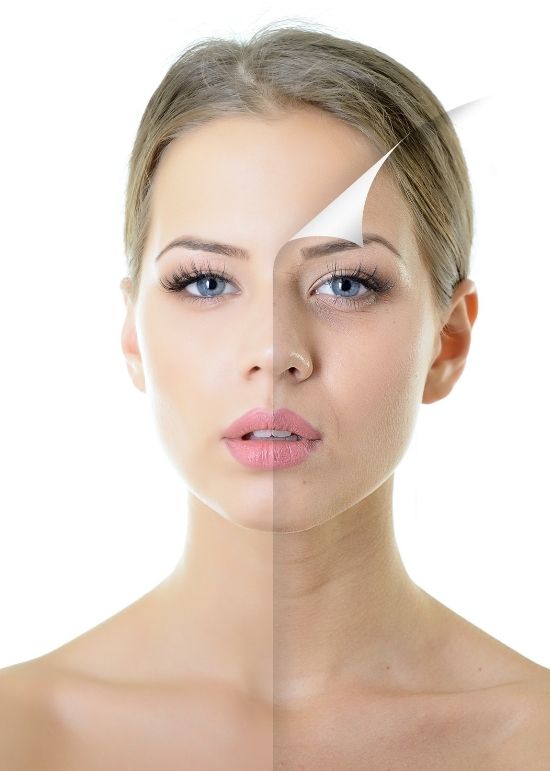
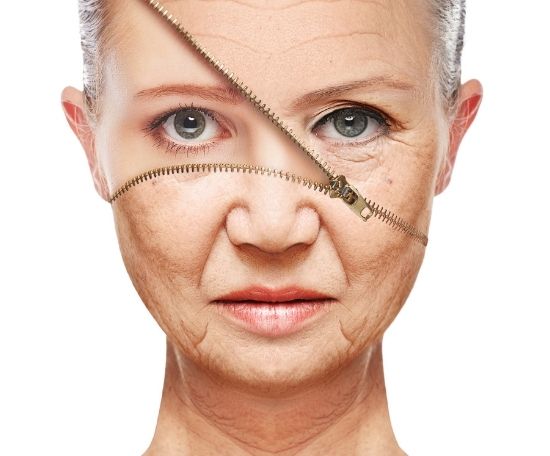
If the skin of a large area is removed a reconstructive surgery may be necessary to heal the appearance of the patient. Many patients need plastic surgery on their faces to restore their appearance in this case.